Sleep is not a passive state. It is the most biologically active period of a human's 24-hour cycle, the phase during which the glymphatic system clears neurotoxic metabolites from the brain, the immune system executes tissue repair, growth hormone reaches its daily peak, and long-term memory is consolidated from hippocampal short-term storage to cortical long-term storage. The quality of this process is not primarily determined by how long you sleep. It is determined by the depth and architecture of sleep, specifically, the proportion of total sleep time spent in slow-wave sleep (SWS, also called N3 or deep NREM sleep) and REM sleep.
The single most underappreciated physiological driver of sleep depth is core body temperature. Research from Matthew Walker's sleep laboratory at UC Berkeley and Czeisler's group at Harvard demonstrates that the natural pre-sleep drop in core body temperature of approximately 1 to 1.5°C is not merely associated with sleep onset, it is a prerequisite for it. The body must achieve this thermal declination before slow-wave sleep can initiate. When environmental or behavioural factors prevent this temperature drop, sleep onset is delayed, SWS is compressed, and total sleep quality degrades measurably.
1. The Thermoregulatory Physiology of Sleep Onset
Core body temperature (CBT) follows a precise circadian rhythm driven by the SCN. It peaks in the late afternoon at approximately 37.0 to 37.2°C and begins declining in the early evening, reaching its nadir of approximately 36.2 to 36.4°C between 04:00 and 06:00. Sleep onset occurs naturally in the declining phase of this curve, typically when CBT has dropped 0.5 to 0.8°C from its daily peak.
The mechanism driving pre-sleep CBT reduction is distal vasodilation, the active widening of blood vessels in the hands and feet to maximise heat dissipation from the body's periphery. This process is under autonomic nervous system control and is triggered by the same SCN-mediated circadian signals that initiate melatonin production. Warm hands and feet in the evening are not a sign of comfort, they are a measurable physiological marker of active heat dissipation and an accurate predictor of rapid sleep onset.
Figure 2.1: Core Body Temperature Circadian Curve and Sleep Architecture
Blue Line: Core body temperature circadian curve over 24 hours. CBT peaks at approximately 16:00 to 17:00, declines through the evening, and reaches its nadir at 04:00 to 06:00. Sleep onset occurs on the descending slope of this curve.
2. Bedroom Micro-Climate Engineering
The bedroom air temperature is the most powerful environmental lever available for optimising pre-sleep CBT reduction. Research consistently identifies an optimal bedroom air temperature range of 15.6 to 19.4°C (60 to 67°F) for initiating and maintaining deep sleep in healthy adults. This may feel uncomfortably cool to many people accustomed to warmer sleeping environments, but this discomfort is itself evidence that the thermoregulatory system is working. The cool air creates the temperature gradient between the skin surface and the environment that is necessary for effective radiative and convective heat loss from the body.
Bedroom air temperatures above 21°C (70°F) have been shown in polysomnographic studies to measurably reduce slow-wave sleep duration and increase nocturnal awakenings, effects attributable directly to the body's inability to achieve the required pre-sleep CBT drop in a warm environment. This finding is dose-dependent: the warmer the sleep environment above the 15.6 to 19.4°C optimal range, the more pronounced the sleep architecture degradation.
2.1 Humidity, Airflow, and Bedding Specification
Bedroom air temperature is necessary but not sufficient. Relative humidity profoundly affects the body's ability to dissipate heat through evaporative cooling of the skin surface. Research from the Japan Society of Home Economics demonstrates that relative humidity above 65% at temperatures of 18 to 20°C produces sleep quality equivalent to 23°C dry air, because high humidity suppresses sweat evaporation and prevents effective skin-surface heat loss. The optimal bedroom relative humidity for sleep is 40 to 60%, achievable through a combination of ventilation management and a whole-room dehumidifier in humid climates.
Airflow management is the third variable. A gentle air movement of 0.1 to 0.2 m/s across the skin surface, achievable with a low-speed ceiling fan or a desk fan positioned at distance, dramatically increases convective heat transfer from the skin without producing the disruptive noise or direct draught of higher-speed airflow. Many high-performance sleepers report that air movement is the most noticeable single environmental factor in sleep onset speed, independent of temperature, consistent with the physiological mechanism of convective cooling enhancing distal heat dissipation.
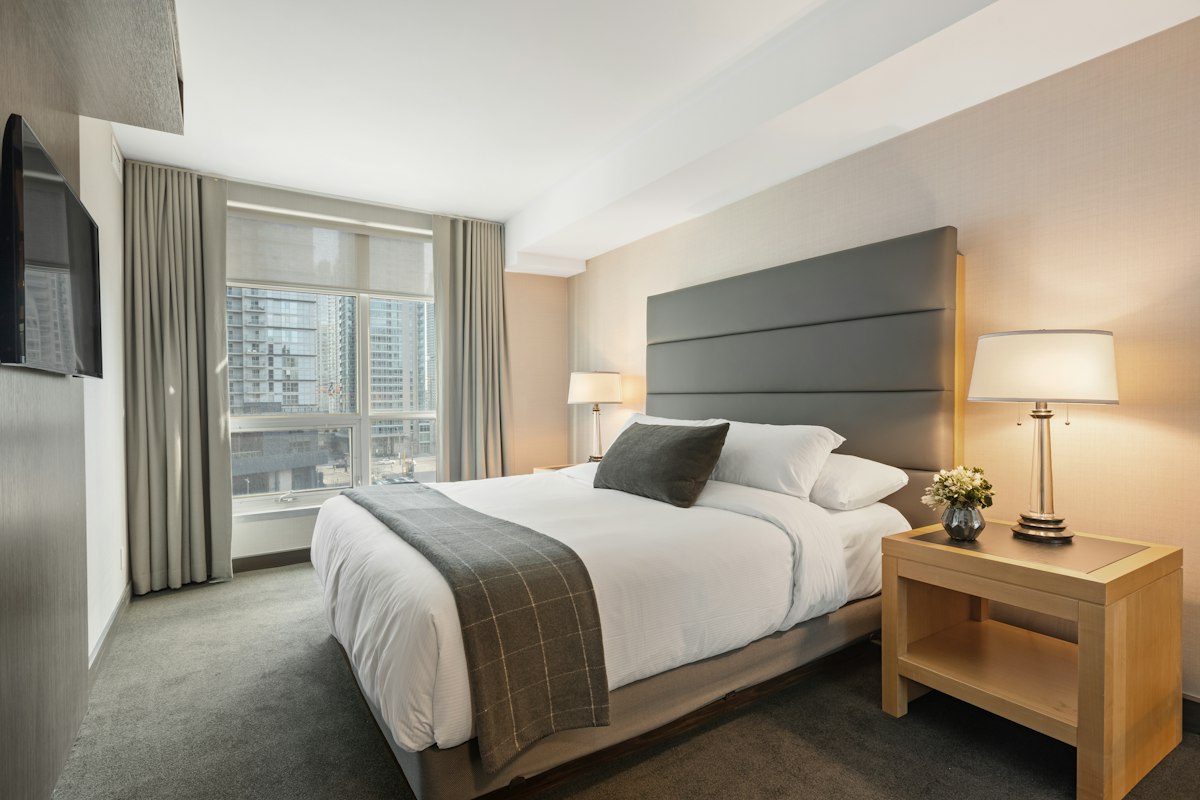
A well-engineered sleep environment maintains 16 to 19°C air temperature, 40 to 60% relative humidity, and near-complete darkness, the three non-negotiable environmental parameters for slow-wave sleep.
3. Active Cooling Systems: Mattress Pad Technology
For individuals whose sleep environments cannot be adequately cooled through air conditioning or ventilation alone, or who require more precise thermal control, active mattress cooling systems represent the most direct and measurable intervention. Systems such as the Eight Sleep Pod, ChiliSleep OOLER, and BedJet 3 circulate temperature-controlled water or air through a mattress pad, allowing precise regulation of the sleep surface temperature independently of room air temperature.
Research conducted by the Eight Sleep clinical team, as well as independent studies at Stanford's sleep medicine clinic, demonstrates that active cooling of the mattress surface to 18 to 21°C produces measurable increases in slow-wave sleep duration, in some studies by 20 to 30% compared to baseline conditions at the same room temperature without surface cooling. The mechanism is direct: the cool mattress surface creates a heat sink effect that accelerates distal heat dissipation from the body's contact surfaces, driving a faster and deeper CBT decline than ambient air cooling alone can achieve.
4. Pre-Sleep Thermal Protocols
Counterintuitively, one of the most evidence-supported strategies for accelerating pre-sleep CBT reduction is a warm bath or shower taken 60 to 90 minutes before sleep onset. This appears paradoxical, introducing heat to the body immediately before sleep, but the mechanism is well-documented. The warm water exposure (40 to 42.5°C) causes pronounced cutaneous vasodilation, massively increasing blood flow to the skin surface. When the person leaves the bath and enters a cool environment, this elevated peripheral blood flow dramatically accelerates heat dissipation, producing a faster and larger CBT drop than would occur through passive cooling alone.
A 2019 meta-analysis published in Sleep Medicine Reviews, covering 17 studies and 684 participants, confirmed that passive body heating via warm bath or foot bath taken 1 to 2 hours before sleep onset reduced sleep onset latency by an average of 10 minutes and improved self-reported sleep quality scores significantly. The optimal protocol is a 10 to 15 minute full-body soak or shower at 40 to 42.5°C, taken 60 to 90 minutes before intended sleep onset, followed by entry into a cool bedroom environment.
Figure 2.2: CBT Reduction Rate, Passive vs. Warm Bath Pre-Sleep Protocol
Blue Line: CBT profile following warm bath at 21:00, initial rise from vasodilation, followed by rapid accelerated decline reaching sleep-onset threshold by 22:30. Dashed Gold Line: Passive CBT decline without pre-sleep warm bath, slower decline reaching equivalent threshold ~60 minutes later.
5. Exercise Timing and CBT Management
Vigorous exercise raises core body temperature by 1 to 2°C and maintains that elevation for 4 to 6 hours post-exercise through sustained metabolic heat production and elevated sympathetic nervous system activation. Exercise completed within 3 to 4 hours of intended sleep onset therefore directly opposes the pre-sleep CBT decline that sleep initiation requires, compressing the available time for the body to achieve the necessary thermal declination and delaying sleep onset accordingly.
The practical implication is a clear exercise timing protocol. High-intensity training, resistance work, and cardiovascular exercise should be completed by 18:00 for individuals with a 23:00 sleep target, or no later than 4 to 5 hours before intended sleep onset. Morning exercise (06:00 to 09:00) produces an acute CBT spike during the period when CBT is naturally rising from its nocturnal nadir, amplifying rather than opposing the circadian temperature curve, and producing no interference with evening sleep onset. For individuals who can only exercise in the evening, switching from high-intensity to low-intensity modalities (yoga, walking, light mobility work) minimises the CBT spike and reduces the sleep-onset impact to manageable levels.
The thermoregulatory approach to sleep optimization is not complicated in its principles but demands consistent environmental discipline in its execution. The bedroom is a sleep instrument, not merely a room. Its temperature, humidity, airflow, and darkness specifications determine the biological depth of the recovery that occurs within it. Treating these variables as controllable parameters rather than incidental background conditions is the foundational shift in thinking that separates high-performance sleep from merely adequate sleep.